
.png)
.png)
Introduction
Effective drainage is essential for preventing waterlogging, protecting structures, and maintaining the performance of outdoor spaces. Choosing the right aggregate plays a major role in how well a drainage system functions. This guide explains the best drainage aggregates available and how to choose the right one for your project.
Why Are Aggregates Used for Drainage?
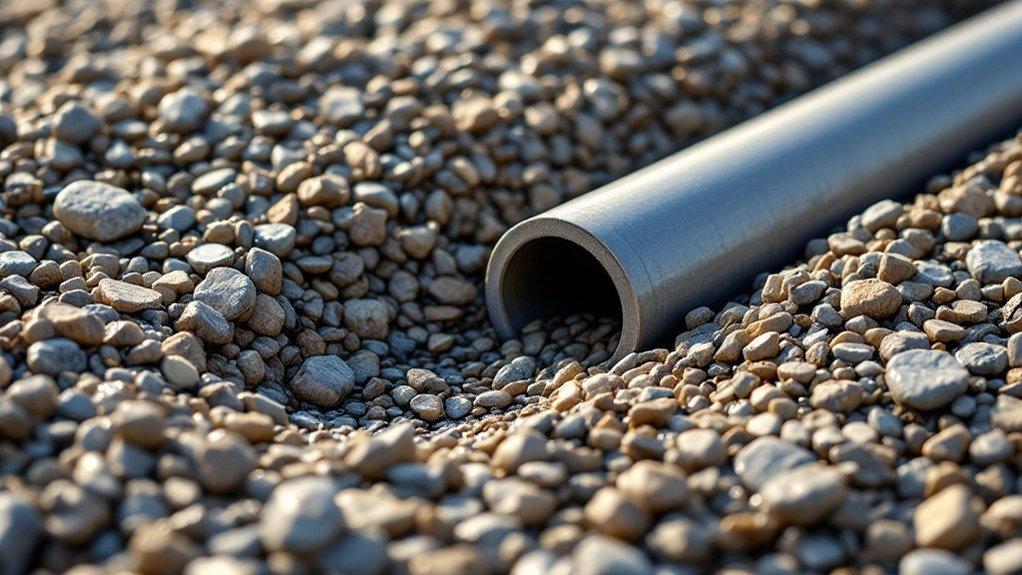
Drainage aggregates create spaces between stones that allow water to flow freely through the material. This helps move water away from surfaces and structures, reducing the risk of flooding and standing water.
Drainage aggregates are commonly used for:
- Soakaways
- Land drainage systems
- Driveways
- Garden landscaping
- Around foundations and retaining walls
Best Aggregate Sizes for Drainage
10–20mm Gravel
One of the most commonly used drainage aggregates. It provides good water flow while remaining stable for a wide range of applications.
Suitable for:
- General drainage
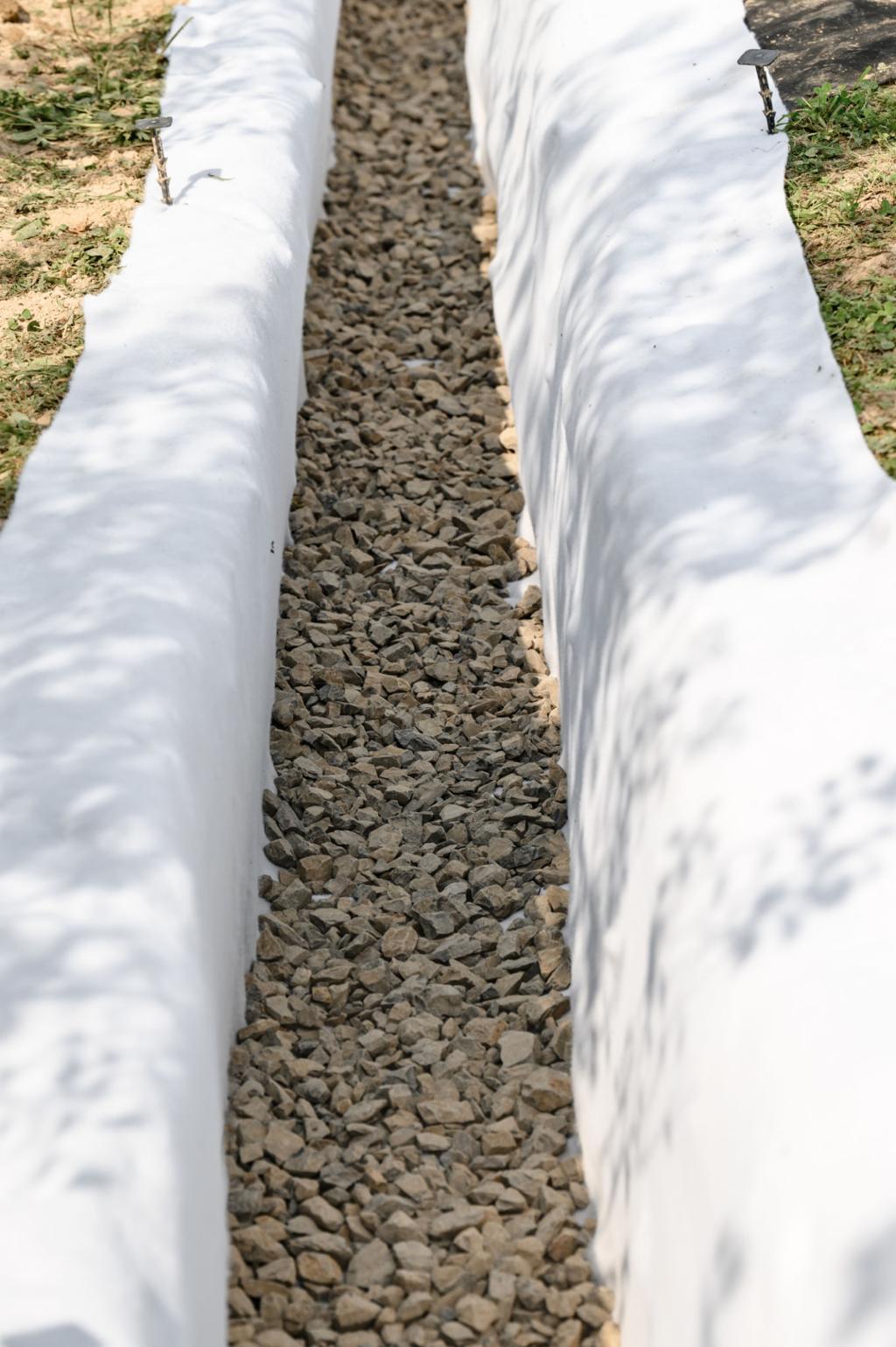
- French drains
- Garden projects
20–40mm Gravel
A larger aggregate size often used where higher drainage capacity is required.
Suitable for:
- Soakaways
- Land drainage systems
- Foundation drainage
40mm+ Stone
Used for larger-scale drainage projects and areas that need rapid water movement.
Suitable for:
- Commercial drainage
- Large soakaway systems
- Heavy-duty drainage applications
What Aggregates Should Be Avoided for Drainage?
Fine materials such as sand and dust-based aggregates should generally be avoided where drainage is the primary objective. These materials compact tightly and restrict water flow.
For effective drainage, clean stone with minimal fines is usually the best choice.
How to Choose the Right Drainage Aggregate
When selecting drainage aggregates, consider:
Water Volume
Higher volumes of water may require larger aggregate sizes.
Project Type
A garden drainage system may require different materials compared to a commercial soakaway.
Ground Conditions
Poorly draining soil often benefits from larger drainage aggregates and additional drainage measures.
Maintenance Requirements
Using clean aggregates helps reduce blockages and improves long-term performance.
Common Drainage Applications
Drainage aggregates are frequently used for:
- French drains
- Soakaways
- Permeable driveways
- Landscaping projects
- Foundation drainage
Conclusion
Choosing the correct drainage aggregate is important to ensure water moves efficiently through your drainage system. Clean gravel and larger stone sizes are generally the most effective options for drainage applications, helping to prevent standing water and protect surrounding structures.
Call to Action
Browse our range of aggregates or contact our team for advice on selecting the right drainage materials for your project.
Introduction
Effective drainage is essential for preventing waterlogging, protecting structures, and maintaining the performance of outdoor spaces. Choosing the right aggregate plays a major role in how well a drainage system functions. This guide explains the best drainage aggregates available and how to choose the right one for your project.
Why Are Aggregates Used for Drainage?
Drainage aggregates create spaces between stones that allow water to flow freely through the material. This helps move water away from surfaces and structures, reducing the risk of flooding and standing water.
Drainage aggregates are commonly used for:
- Soakaways
- Land drainage systems
- Driveways
- Garden landscaping
- Around foundations and retaining walls
Best Aggregate Sizes for Drainage
10–20mm Gravel
One of the most commonly used drainage aggregates. It provides good water flow while remaining stable for a wide range of applications.
Suitable for:
- General drainage
- French drains
- Garden projects
20–40mm Gravel
A larger aggregate size often used where higher drainage capacity is required.
Suitable for:
- Soakaways
- Land drainage systems
- Foundation drainage
40mm+ Stone
Used for larger-scale drainage projects and areas that need rapid water movement.
Suitable for:
- Commercial drainage
- Large soakaway systems
- Heavy-duty drainage applications
What Aggregates Should Be Avoided for Drainage?
Fine materials such as sand and dust-based aggregates should generally be avoided where drainage is the primary objective. These materials compact tightly and restrict water flow.
For effective drainage, clean stone with minimal fines is usually the best choice.
How to Choose the Right Drainage Aggregate
When selecting drainage aggregates, consider:
Water Volume
Higher volumes of water may require larger aggregate sizes.
Project Type
A garden drainage system may require different materials compared to a commercial soakaway.
Ground Conditions
Poorly draining soil often benefits from larger drainage aggregates and additional drainage measures.
Maintenance Requirements
Using clean aggregates helps reduce blockages and improves long-term performance.
Common Drainage Applications
Drainage aggregates are frequently used for:
- French drains
- Soakaways
- Permeable driveways
- Landscaping projects
- Foundation drainage
Conclusion
Choosing the correct drainage aggregate is important to ensure water moves efficiently through your drainage system. Clean gravel and larger stone sizes are generally the most effective options for drainage applications, helping to prevent standing water and protect surrounding structures.
Call to Action
Browse our range of aggregates or contact our team for advice on selecting the right drainage materials for your project.