
.png)
.png)
Introduction
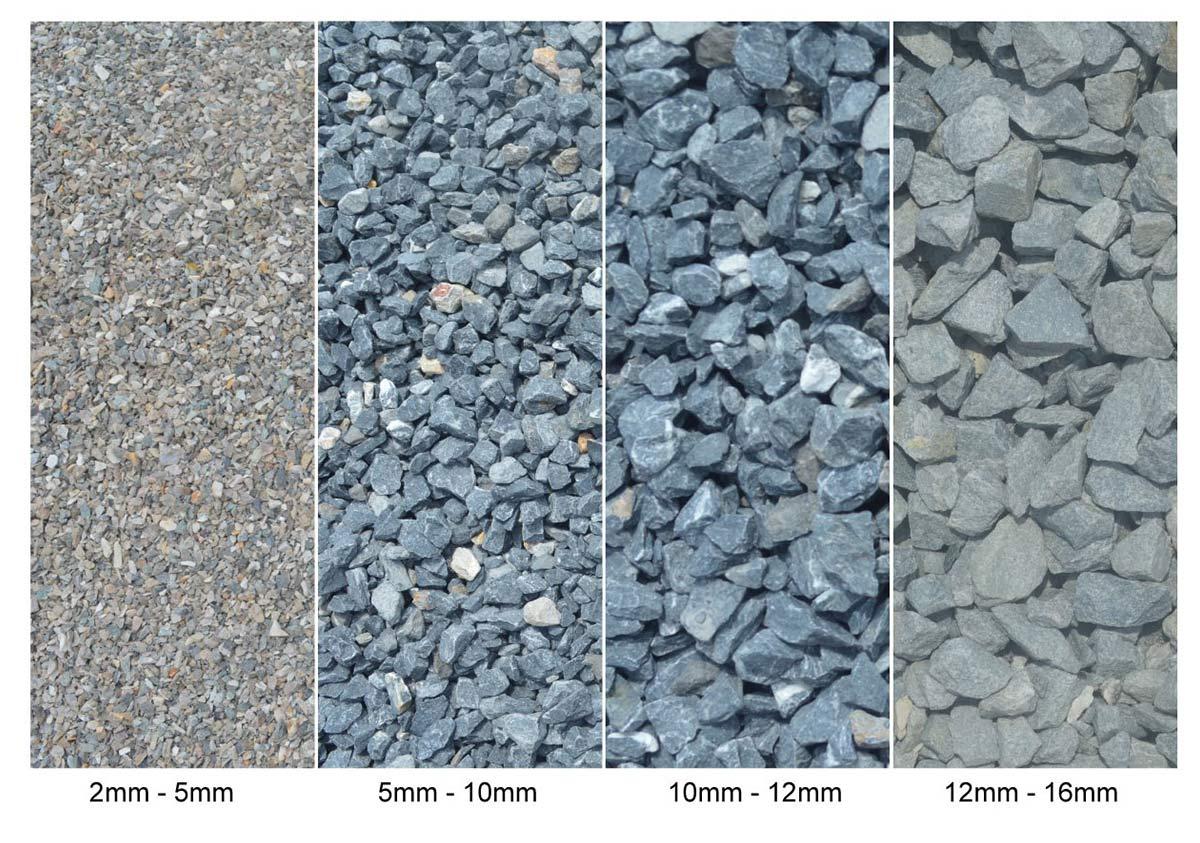
Choosing the right aggregate size is essential for any construction or landscaping project. Different sizes serve different purposes, and selecting the correct one ensures better strength, drainage, and overall performance. This guide explains common aggregate sizes and where they are best used.
What Are Aggregates?
Aggregates are materials such as gravel, crushed stone, and sand that are used in construction. They form the base of many projects, including concrete driveways and drainage systems.
Common Aggregate Sizes and Their Uses
0–4mm (Fine Aggregates / Sand)
Used for:
- Mortar
- Plastering
- Jointing
4–10mm Aggregates
Used for:
- Concrete mixes
- Pipe bedding
- Drainage
10–20mm Aggregates
Used for:
- Concrete
- Driveways
- Foundations
This is one of the most commonly used sizes in construction.
20–40mm Aggregates
Used for:
- Sub-bases
- Drainage systems
- Heavy-duty applications
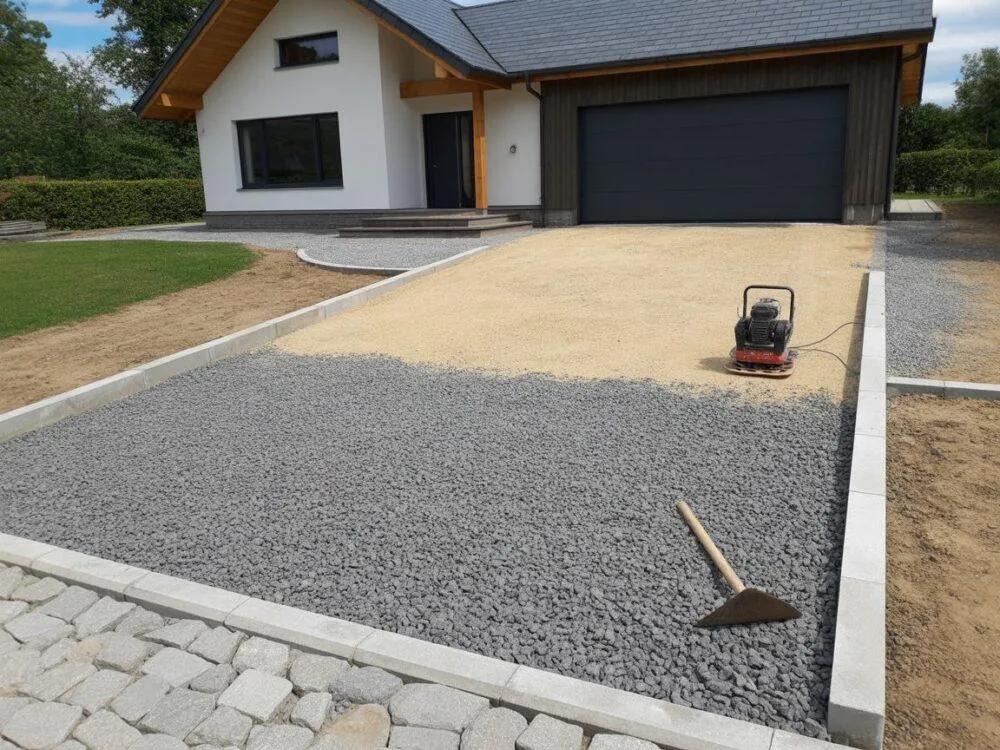
How to Choose the Right Aggregate Size
When selecting aggregates, consider:
- Type of project (driveway, concrete, drainage)
- Load requirements
- Drainage needs
- Finish required (decorative vs structural)
Using the wrong size can affect both performance and durability.
Common Mistakes to Avoid
- Choosing size based only on appearance
- Ignoring drainage requirements
- Using fine aggregates for structural work
- Not using a proper sub-base
Conclusion
Understanding aggregate sizes helps you choose the right material for your project. Each size serves a specific purpose, and selecting the right one ensures better results and long-term performance.
Call to Action
Browse our range of aggregates or contact our team for advice on choosing the right materials for your project.
Introduction
Choosing the right aggregate size is essential for any construction or landscaping project. Different sizes serve different purposes, and selecting the correct one ensures better strength, drainage, and overall performance. This guide explains common aggregate sizes and where they are best used.
What Are Aggregates?
Aggregates are materials such as gravel, crushed stone, and sand that are used in construction. They form the base of many projects, including concrete driveways and drainage systems.
Common Aggregate Sizes and Their Uses
0–4mm (Fine Aggregates / Sand)
Used for:
- Mortar
- Plastering
- Jointing
4–10mm Aggregates
Used for:
- Concrete mixes
- Pipe bedding
- Drainage
10–20mm Aggregates
Used for:
- Concrete
- Driveways
- Foundations
This is one of the most commonly used sizes in construction.
20–40mm Aggregates
Used for:
- Sub-bases
- Drainage systems
- Heavy-duty applications
How to Choose the Right Aggregate Size
When selecting aggregates, consider:
- Type of project (driveway, concrete, drainage)
- Load requirements
- Drainage needs
- Finish required (decorative vs structural)
Using the wrong size can affect both performance and durability.
Common Mistakes to Avoid
- Choosing size based only on appearance
- Ignoring drainage requirements
- Using fine aggregates for structural work
- Not using a proper sub-base
Conclusion
Understanding aggregate sizes helps you choose the right material for your project. Each size serves a specific purpose, and selecting the right one ensures better results and long-term performance.
Call to Action
Browse our range of aggregates or contact our team for advice on choosing the right materials for your project.