
.png)
.png)
.jpeg "cement powder used in construction")
Introduction
Many people use the terms cement and concrete interchangeably, but they are not the same material. Cement is actually one of the ingredients used to make concrete. Understanding the difference is important when choosing the right materials for construction and landscaping projects. This guide explains how cement and concrete differ and where each is used.
What is Cement?
Cement is a fine powder made from limestone, clay, and other minerals that are heated at high temperatures. When mixed with water, cement acts as a binder that holds materials together.
Cement is rarely used on its own and is mainly used as an ingredient in concrete and mortar.
What is Concrete?
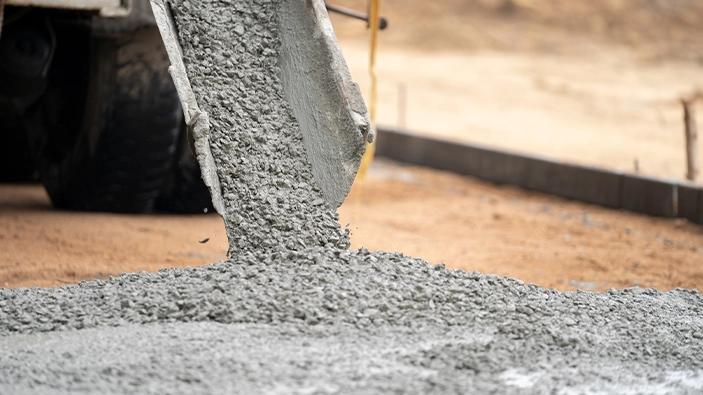
Concrete is a building material made by combining cement, water, sand, and aggregates such as gravel or crushed stone. Once mixed and cured, it becomes extremely strong and durable.
Concrete is widely used in construction because it can withstand heavy loads and harsh weather conditions.
Key Differences Between Cement and Concrete
Composition
- Cement is a powdered binding material
- Concrete is a mixture of cement, sand, aggregates, and water
Strength
- Cement alone is not suitable for structural use
- Concrete is strong and durable for construction applications
Uses
- Cement is used in mortar and concrete mixes
- Concrete is used for driveways, foundations, floors, and structures
Durability
- Cement alone can crack easily
- Concrete is designed for long-term performance and strength
Common Uses of Cement
- Mortar for bricklaying
- Plastering
- Concrete production
Common Uses of Concrete
- Foundations
- Driveways
- Patios
- Structural construction
Common Mistakes to Avoid
- Assuming cement and concrete are the same
- Using incorrect mixes for projects
- Not allowing the concrete to cure properly
- Choosing the wrong materials for structural work
Conclusion
Although cement and concrete are closely related, they serve different purposes. Cement acts as a binding ingredient, while concrete is the finished building material used in construction. Understanding the difference helps ensure you choose the right materials for your project.
Call to Action
Explore our range of aggregates and building materials or contact our team for advice on choosing the right products for your project.
Introduction
Many people use the terms cement and concrete interchangeably, but they are not the same material. Cement is actually one of the ingredients used to make concrete. Understanding the difference is important when choosing the right materials for construction and landscaping projects. This guide explains how cement and concrete differ and where each is used.
What is Cement?
Cement is a fine powder made from limestone, clay, and other minerals that are heated at high temperatures. When mixed with water, cement acts as a binder that holds materials together.
Cement is rarely used on its own and is mainly used as an ingredient in concrete and mortar.
What is Concrete?
Concrete is a building material made by combining cement, water, sand, and aggregates such as gravel or crushed stone. Once mixed and cured, it becomes extremely strong and durable.
Concrete is widely used in construction because it can withstand heavy loads and harsh weather conditions.
Key Differences Between Cement and Concrete
Composition
- Cement is a powdered binding material
- Concrete is a mixture of cement, sand, aggregates, and water
Strength
- Cement alone is not suitable for structural use
- Concrete is strong and durable for construction applications
Uses
- Cement is used in mortar and concrete mixes
- Concrete is used for driveways, foundations, floors, and structures
Durability
- Cement alone can crack easily
- Concrete is designed for long-term performance and strength
Common Uses of Cement
- Mortar for bricklaying
- Plastering
- Concrete production
Common Uses of Concrete
- Foundations
- Driveways
- Patios
- Structural construction
Common Mistakes to Avoid
- Assuming cement and concrete are the same
- Using incorrect mixes for projects
- Not allowing the concrete to cure properly
- Choosing the wrong materials for structural work
Conclusion
Although cement and concrete are closely related, they serve different purposes. Cement acts as a binding ingredient, while concrete is the finished building material used in construction. Understanding the difference helps ensure you choose the right materials for your project.
Call to Action
Explore our range of aggregates and building materials or contact our team for advice on choosing the right products for your project.