
.png)
.png)
Introduction
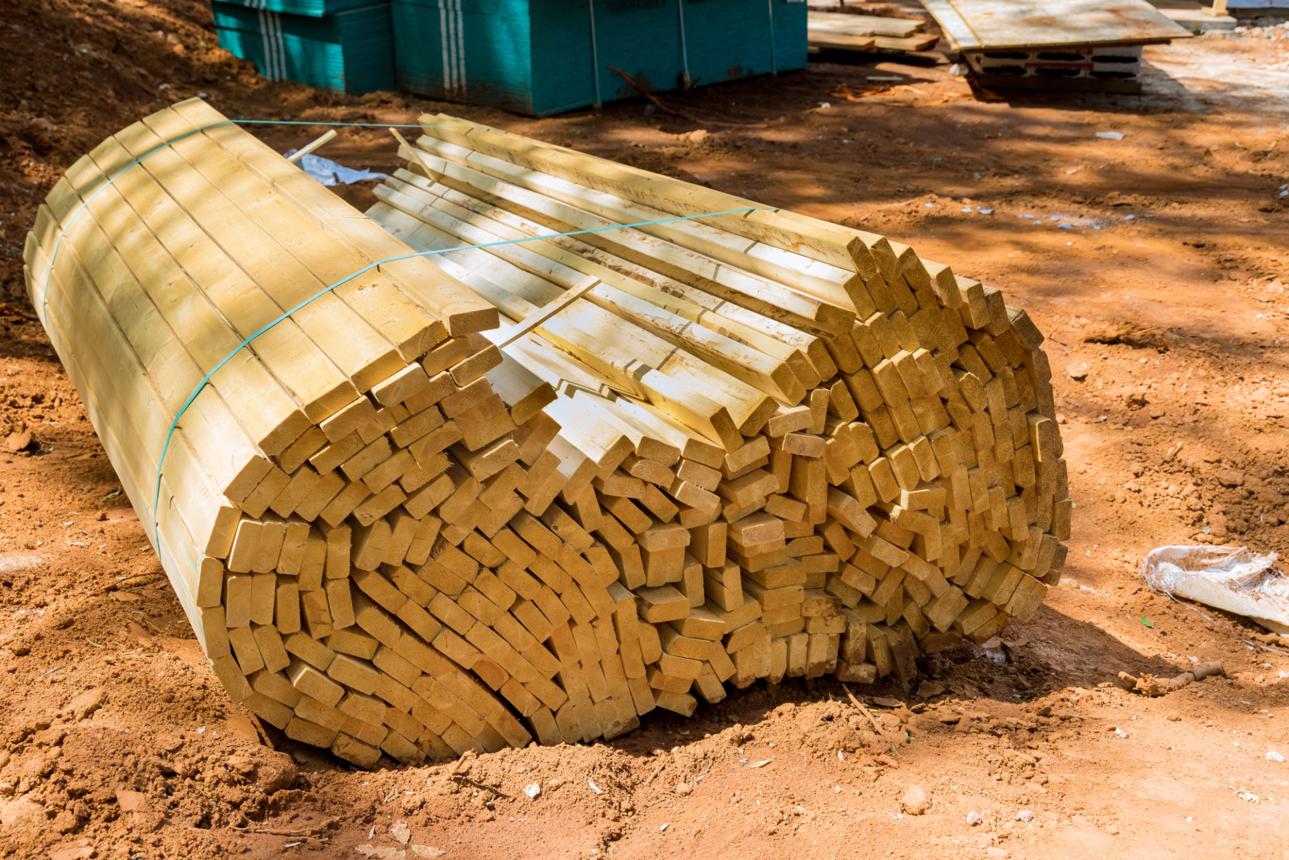
Timber is one of the most widely used construction materials in the UK. From structural framing to roofing and landscaping, choosing the right type of timber is important for durability, strength, and long-term performance. This guide explains the key factors to consider when selecting timber for construction projects.
What is Construction Timber?
Construction timber refers to wood materials used in building and structural applications. Different timber products are designed for different uses, depending on strength, treatment, and environmental exposure.
Types of Timber Used in Construction
Softwood Timber
Softwood is commonly used in structural construction, roofing, fencing, and general building work. It is cost-effective and widely available.
Common uses include:
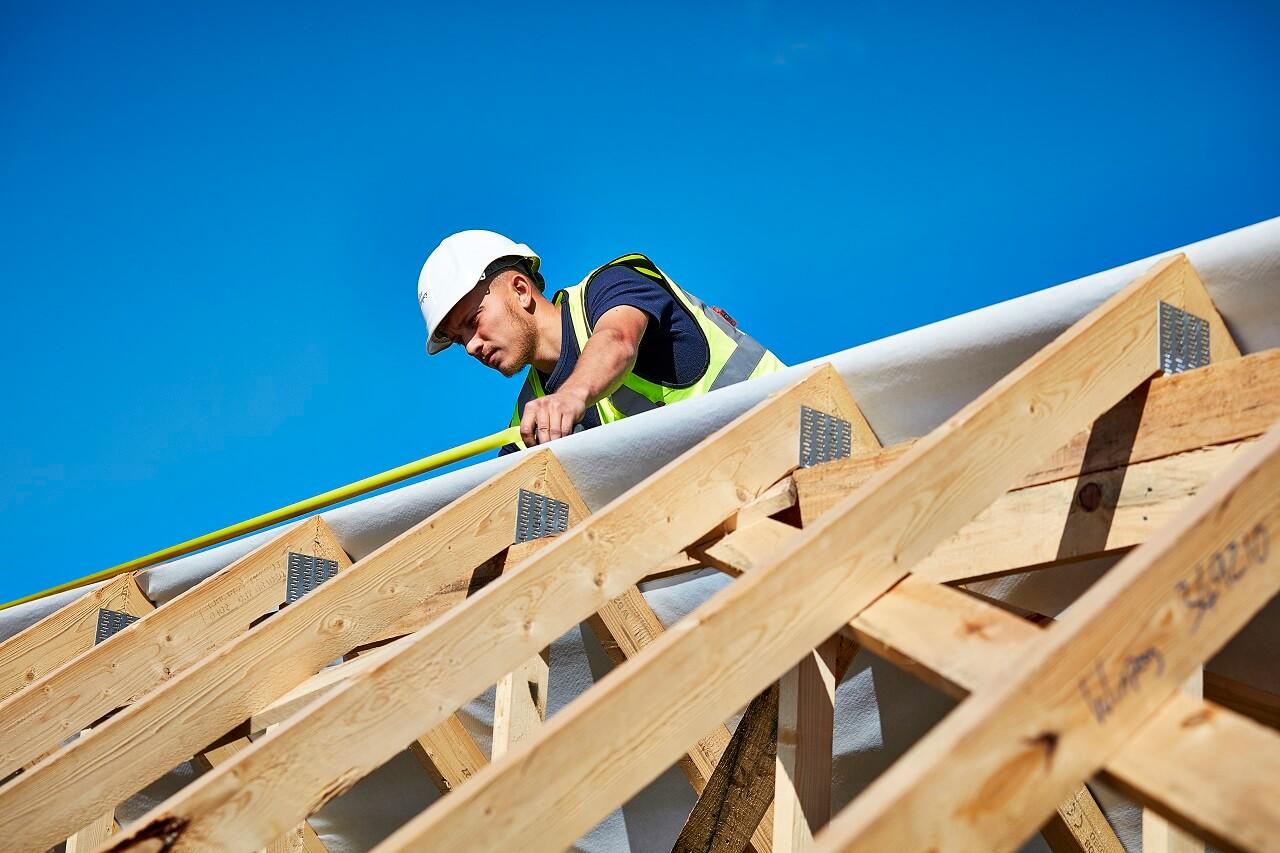
- Roof structures
- Stud walls
- Joists
- Fencing
Hardwood Timber
Hardwood is denser and more durable than softwood. It is often used where appearance and durability are important.
Common uses include:
- Flooring
- Doors
- Decorative finishes
- Furniture
Treated vs Untreated Timber
Treated Timber
Treated timber is protected against moisture, rot, and insect damage. It is recommended for outdoor or exposed environments.
Untreated Timber
Untreated timber is generally used indoors in dry conditions where moisture protection is not required.
What Should You Consider When Choosing Timber?
Strength Requirements
Structural projects require timber with suitable strength grading to ensure safety and stability.
Location and Exposure
Outdoor projects should use treated timber to improve durability and weather resistance.
Moisture Resistance
Areas exposed to damp conditions need timber designed to resist moisture and decay.
Appearance
For visible applications, appearance and finish may also influence your choice.
Common Mistakes to Avoid
- Using untreated timber outdoors
- Choosing the wrong timber grade
- Ignoring moisture exposure
- Prioritising cost over durability
Conclusion
Choosing the right timber is essential for ensuring strength, durability, and long-term performance in construction projects. Understanding the differences between timber types, treatments, and grades will help you make the best decision for your project requirements.
Call to Action
Explore our range of building materials or contact our team for advice on choosing the right timber for your construction project.
Introduction
Timber is one of the most widely used construction materials in the UK. From structural framing to roofing and landscaping, choosing the right type of timber is important for durability, strength, and long-term performance. This guide explains the key factors to consider when selecting timber for construction projects.
What is Construction Timber?
Construction timber refers to wood materials used in building and structural applications. Different timber products are designed for different uses, depending on strength, treatment, and environmental exposure.
Types of Timber Used in Construction
Softwood Timber
Softwood is commonly used in structural construction, roofing, fencing, and general building work. It is cost-effective and widely available.
Common uses include:
- Roof structures
- Stud walls
- Joists
- Fencing
Hardwood Timber
Hardwood is denser and more durable than softwood. It is often used where appearance and durability are important.
Common uses include:
- Flooring
- Doors
- Decorative finishes
- Furniture
Treated vs Untreated Timber
Treated Timber
Treated timber is protected against moisture, rot, and insect damage. It is recommended for outdoor or exposed environments.
Untreated Timber
Untreated timber is generally used indoors in dry conditions where moisture protection is not required.
What Should You Consider When Choosing Timber?
Strength Requirements
Structural projects require timber with suitable strength grading to ensure safety and stability.
Location and Exposure
Outdoor projects should use treated timber to improve durability and weather resistance.
Moisture Resistance
Areas exposed to damp conditions need timber designed to resist moisture and decay.
Appearance
For visible applications, appearance and finish may also influence your choice.
Common Mistakes to Avoid
- Using untreated timber outdoors
- Choosing the wrong timber grade
- Ignoring moisture exposure
- Prioritising cost over durability
Conclusion
Choosing the right timber is essential for ensuring strength, durability, and long-term performance in construction projects. Understanding the differences between timber types, treatments, and grades will help you make the best decision for your project requirements.
Call to Action
Explore our range of building materials or contact our team for advice on choosing the right timber for your construction project.