
.png)
.png)
Introduction
Choosing the right building material is essential for any construction project. Concrete blocks and aircrete blocks are both widely used, but they have different properties that make them suitable for different applications. This guide explains the differences to help you make the right choice.
What Are Concrete Blocks?
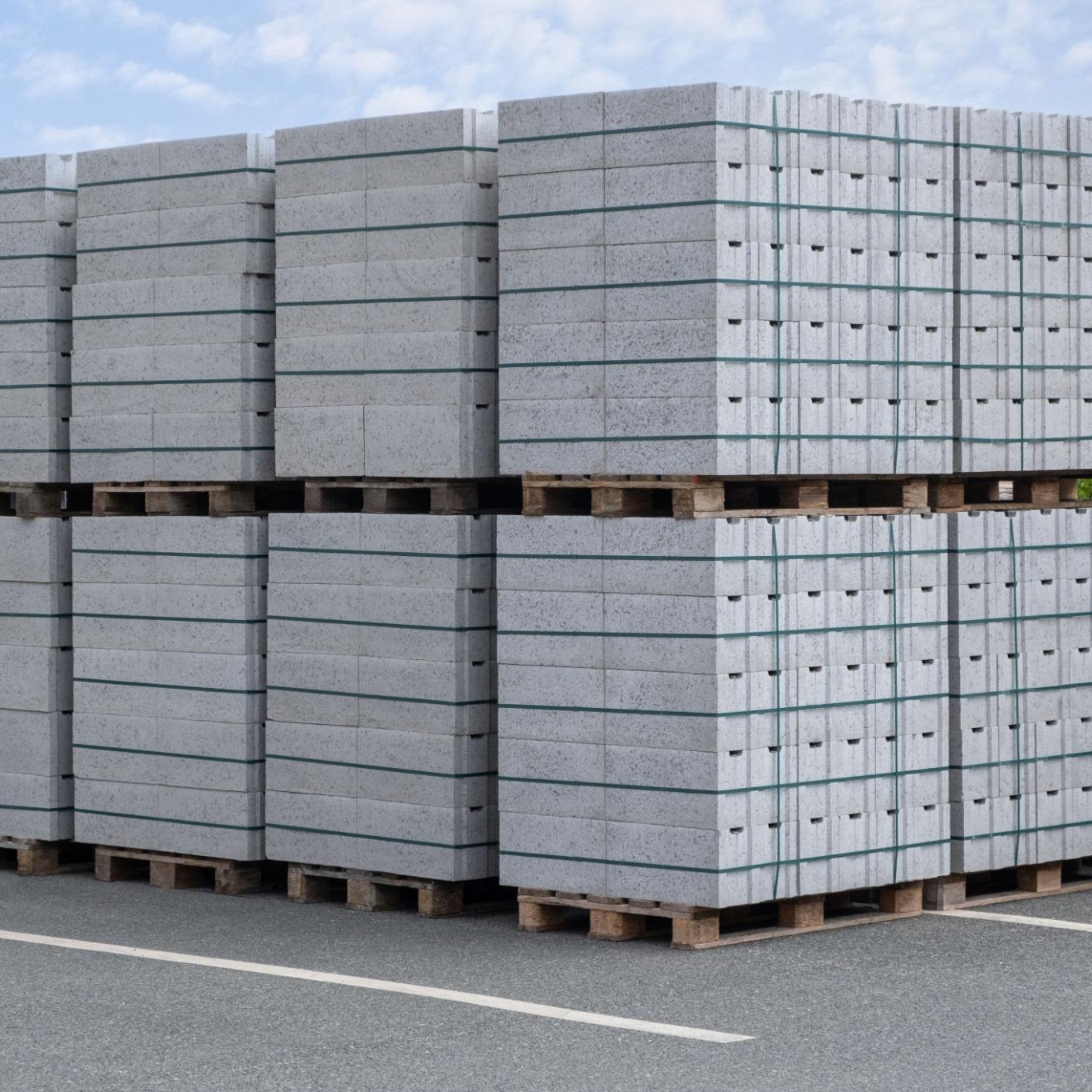
Concrete blocks are dense and heavy building materials made from cement, sand, and aggregates. They are known for their strength and durability.
What Are Aircrete Blocks?
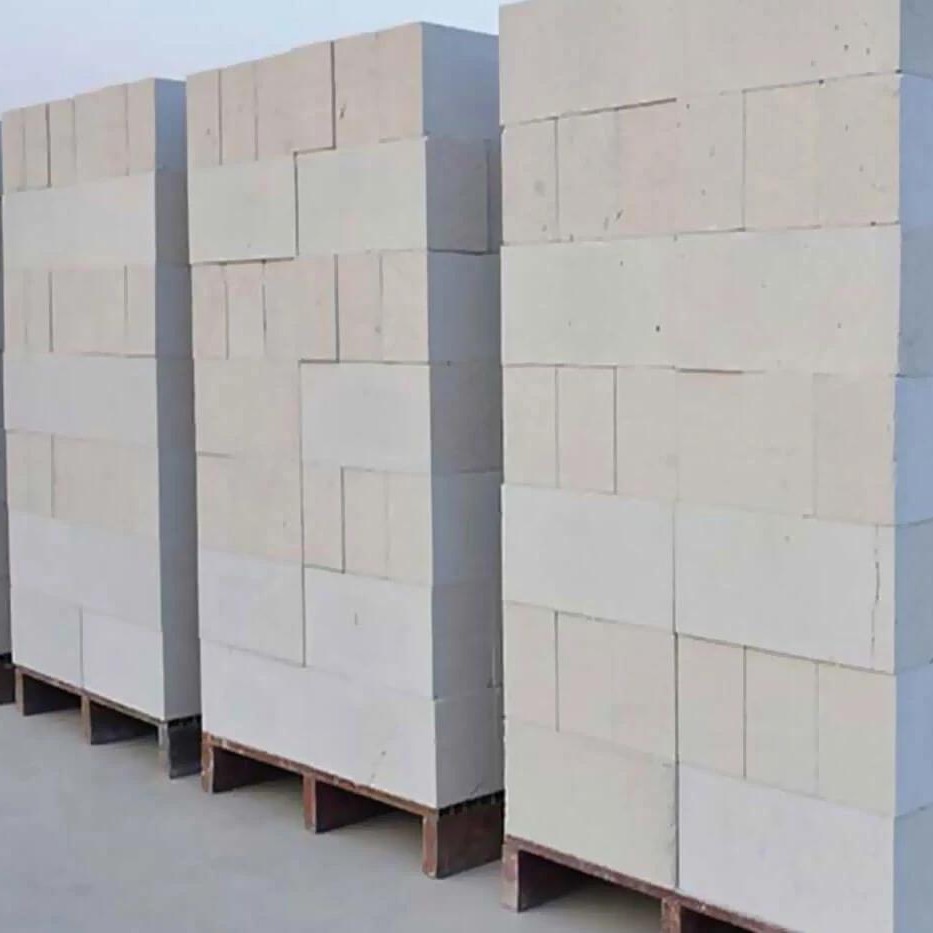
Aircrete blocks are lightweight blocks made with air pockets, which improve insulation and make them easier to handle.
Key Differences Between Concrete and Aircrete Blocks
Weight
- Concrete blocks are heavy
- Aircrete blocks are lightweight
Strength
- Concrete blocks are stronger and load-bearing
- Aircrete blocks are suitable for lighter structures
Insulation
- Concrete blocks have lower insulation
- Aircrete blocks provide better thermal efficiency
Workability
- Concrete blocks are harder to cut
- Aircrete blocks are easier to shape
When Should You Use Concrete Blocks?
- Structural walls
- Load-bearing applications
- Foundations
When Should You Use Aircrete Blocks?
- Internal walls
- Insulated structures
- Projects requiring easy handling
Conclusion
Both concrete blocks and aircrete blocks have their advantages. The right choice depends on your project requirements, including strength, insulation, and ease of use.
Call to Action
Explore our range of building materials or contact our team for advice on selecting the right blocks for your project.
Introduction
Choosing the right building material is essential for any construction project. Concrete blocks and aircrete blocks are both widely used, but they have different properties that make them suitable for different applications. This guide explains the differences to help you make the right choice.
What Are Concrete Blocks?
Concrete blocks are dense and heavy building materials made from cement, sand, and aggregates. They are known for their strength and durability.
What Are Aircrete Blocks?
Aircrete blocks are lightweight blocks made with air pockets, which improve insulation and make them easier to handle.
Key Differences Between Concrete and Aircrete Blocks
Weight
- Concrete blocks are heavy
- Aircrete blocks are lightweight
Strength
- Concrete blocks are stronger and load-bearing
- Aircrete blocks are suitable for lighter structures
Insulation
- Concrete blocks have lower insulation
- Aircrete blocks provide better thermal efficiency
Workability
- Concrete blocks are harder to cut
- Aircrete blocks are easier to shape
When Should You Use Concrete Blocks?
- Structural walls
- Load-bearing applications
- Foundations
When Should You Use Aircrete Blocks?
- Internal walls
- Insulated structures
- Projects requiring easy handling
Conclusion
Both concrete blocks and aircrete blocks have their advantages. The right choice depends on your project requirements, including strength, insulation, and ease of use.
Call to Action
Explore our range of building materials or contact our team for advice on selecting the right blocks for your project.